Key Largo Trash iCare Derby Outing Removed 140 lbs.
Clean, efficient iCare Trash Derby outing in the Florida Keys National Marine Sanctuary. Conditions added difficulty, not risk. Approximately 120–140 lbs. of trash was removed, including a full lobster trap on Dive 1. Reef impact was positive and execution strong.
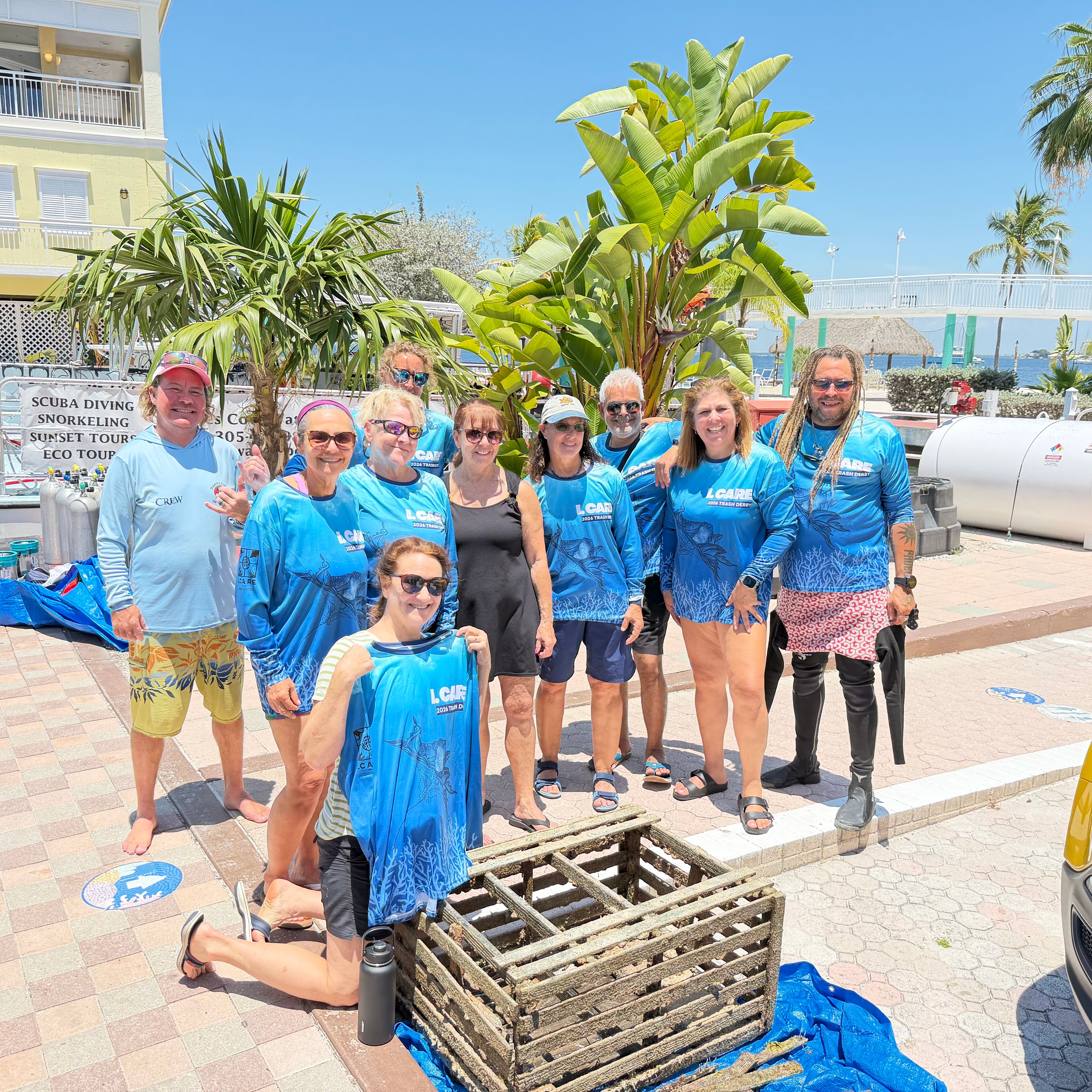
The event took place with Pirates Cove Watersports in Key Largo. Captain Caiti Curry led the boat, supported by DMs Libre Girrado and Trapmaster Dan. The Active Divers crew consisted of Aaron Brooks, Hilda Balbi, Anne Spagnolo, Laura Geselbracht, Evelyn Brow, Anand Ranganathan, Leah Bamford, and Shiela Schlafly. Group 1 was led by Aaron and Hilda, and Group 2 was led by Anand.
The day was sunny, with some attitude. Seas were 3–6 feet, and the maximum depth reached was 22 feet. A strong northeast current combined with surge kept everyone honest. The current wanted to move you, and the sand flats didn’t give you many reference points, so navigation and timing were everything. The dive plan was an out‑and‑back across sand flats and small patch reefs. It was simple on paper, but in reality navigation and timing were the name of the game. The bottom didn’t give you many reference points, so the focus was to stay tight, stay on heading, and hit your turn.
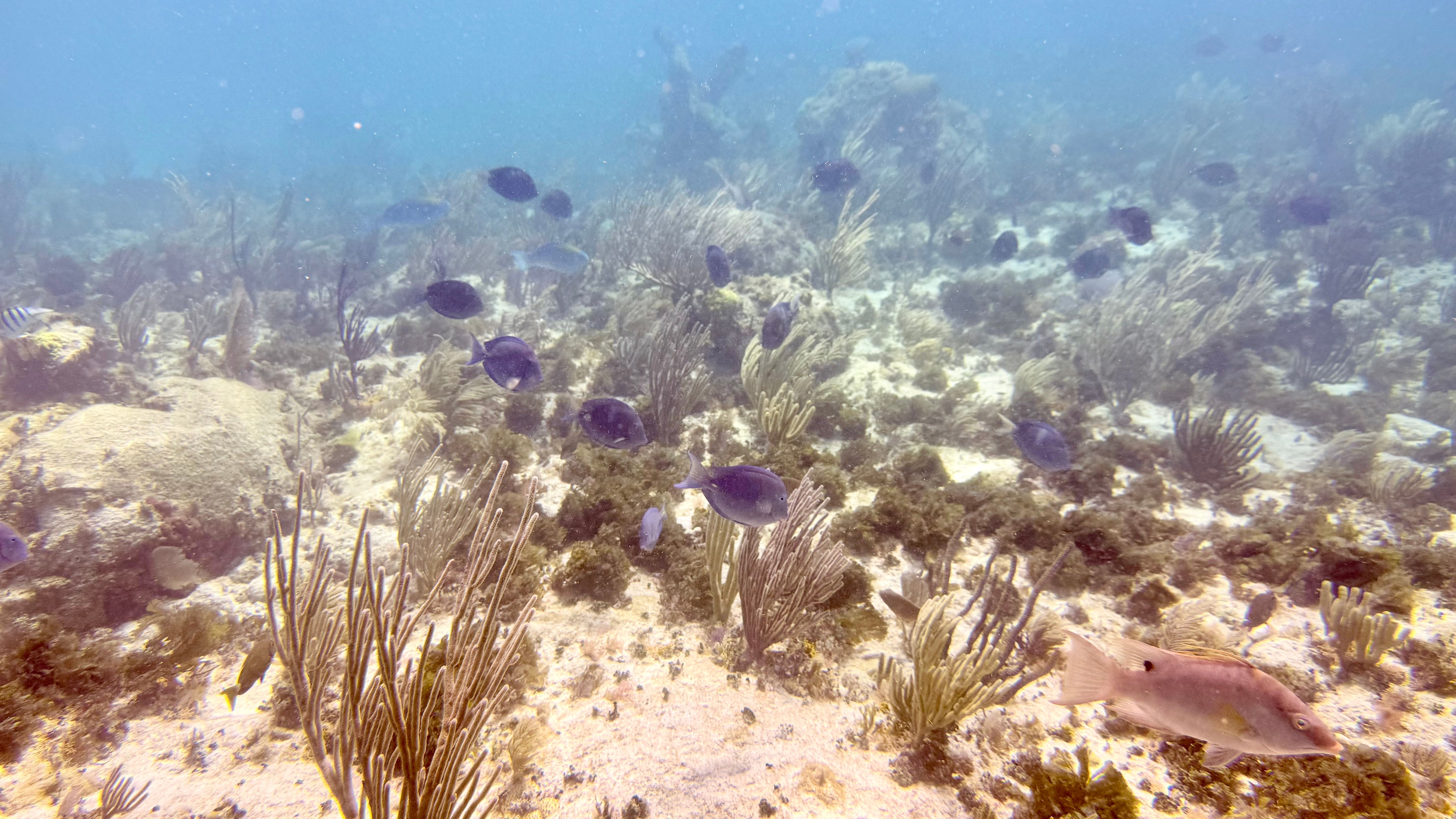
Dive 1 began on a sunny day with a bumpy ocean and a northeast current that kept everyone honest. Two teams worked sand flats and small patch reefs just off Key Largo.
We found the main event early: a full lobster trap sitting out on the sand. It was rigged, lifted, and sent up clean with no drama. After that, the debris field consisted of a lot of lobster trap slats, a small metal grate, a brick, old boating ropes and line, and bits of wood. Everything that was found came up.
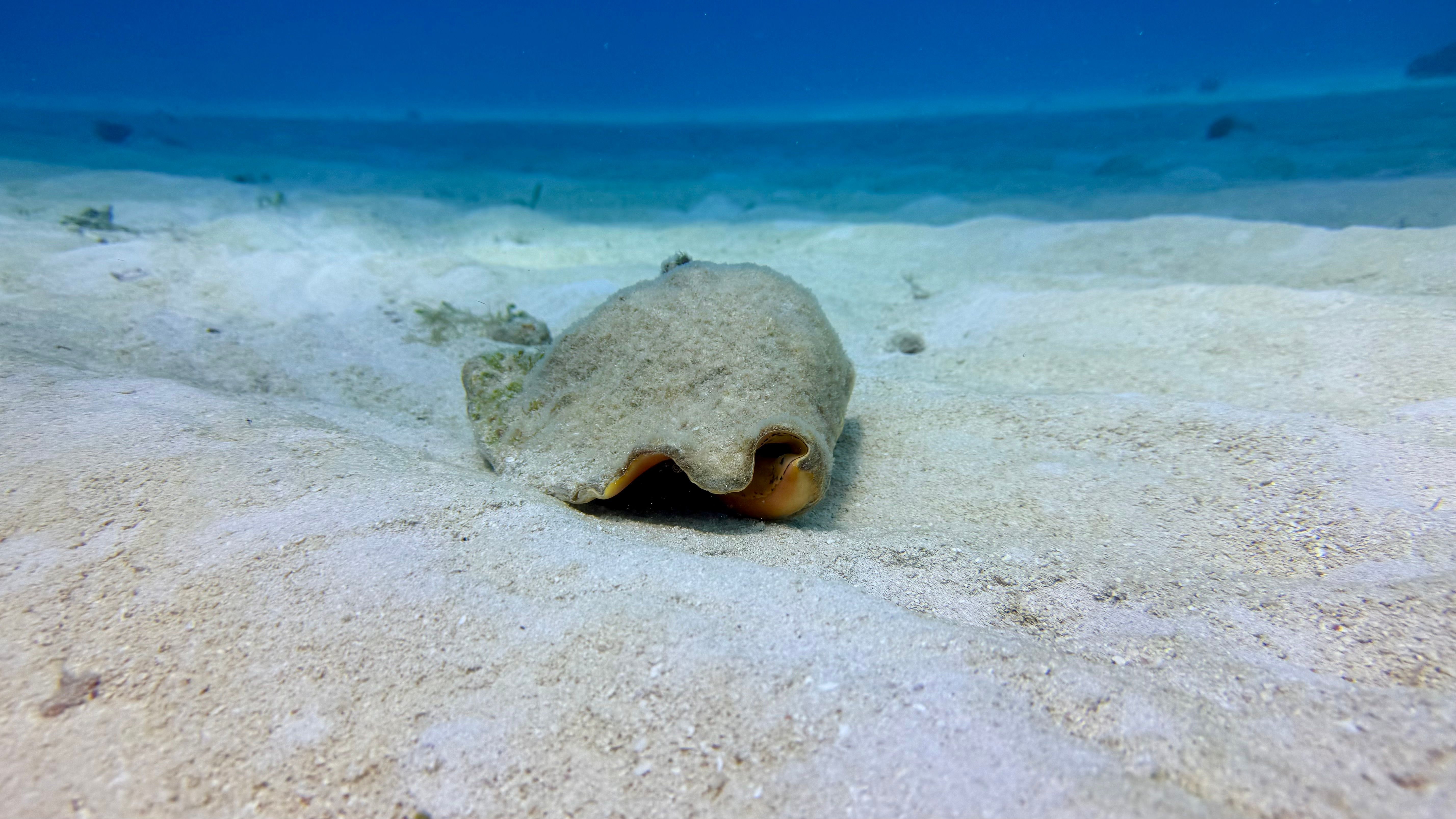
The combination of current and surge made it easy to drift off plan if you weren’t paying attention. The sand flats offered minimal visual references, which reinforced that navigation matters. Lift operations in current required control, with no shortcuts. Old rope and line remained the biggest hazard down there.
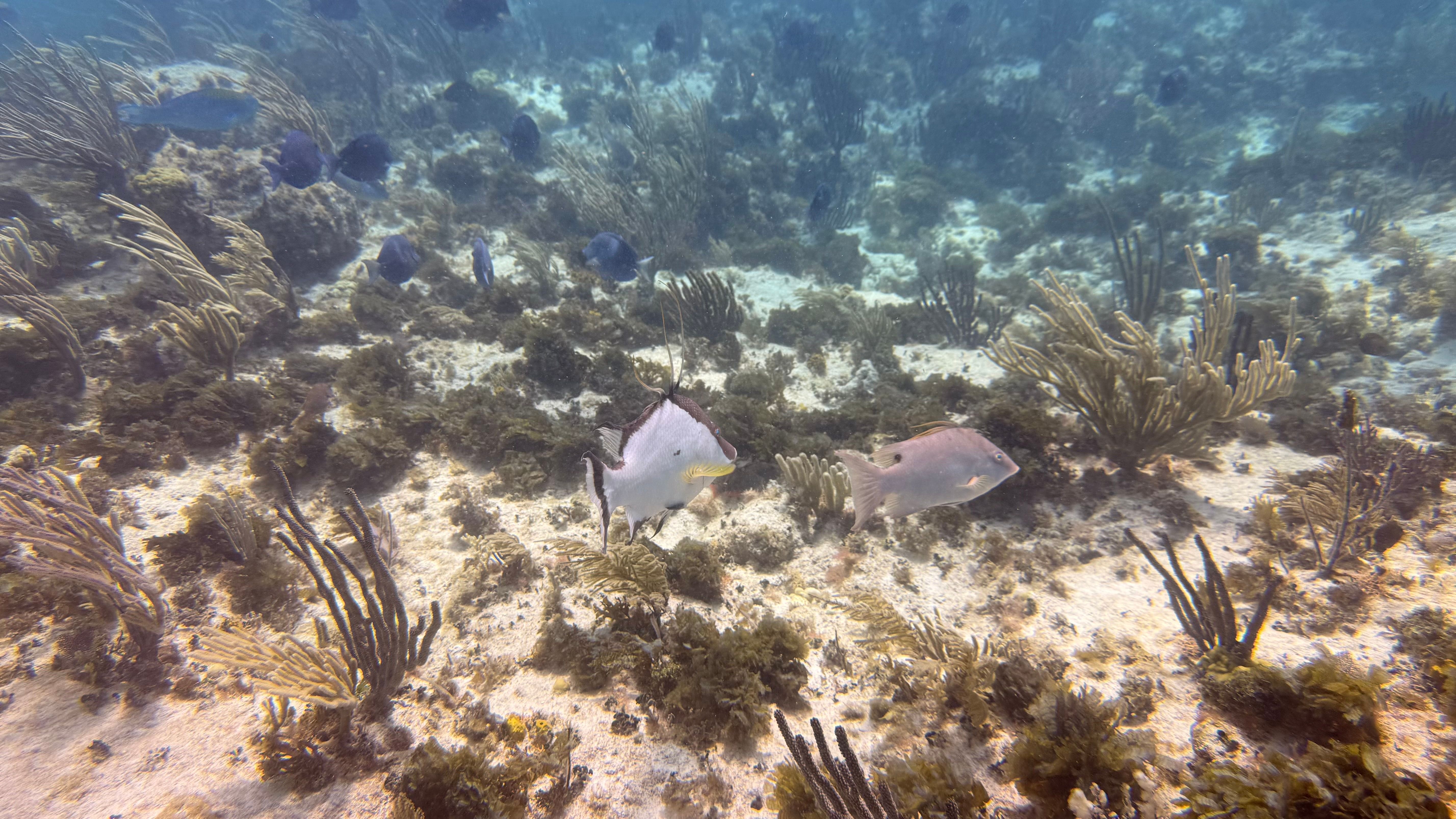
Dive 2 shifted into cleanup mode. With the current still pushing and the bottom still giving almost nothing to reference, both teams made tight passes across the flats and reef edges to make sure nothing was left behind. The total haul for the day reached approximately 120 to 140 pounds. There was less trash than expected, which is a win.
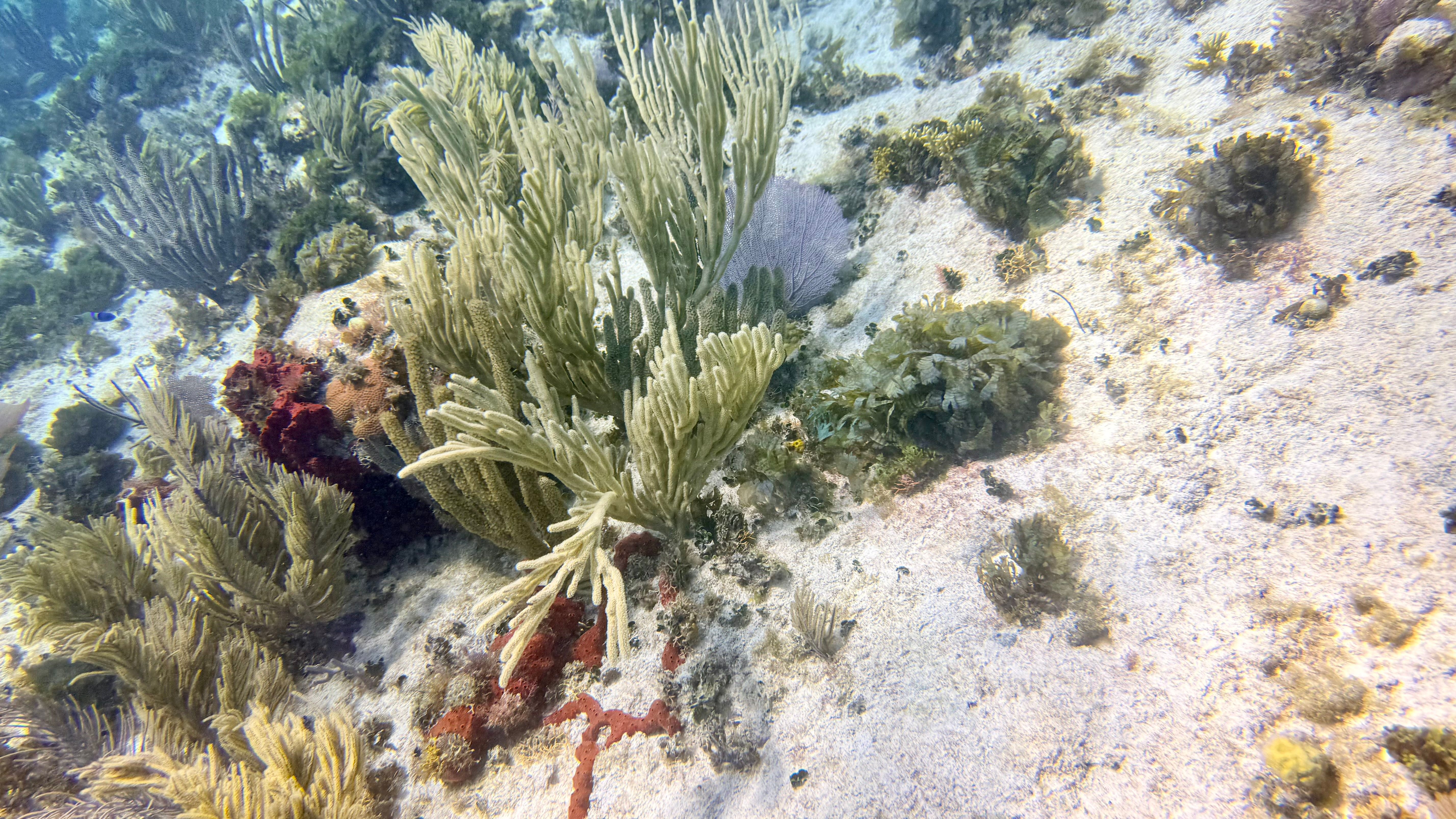
Bonus points for wildlife. Conch remained across the flats. The sea turtle cruised by again. The big grouper that looked like he took a wrong turn stayed, and the barracuda continued holding steady in the current like it owned the place. Mixed reef fish were present throughout.
The day reinforced several action steps. The team should keep running sand‑flat sweeps, since this is where debris settles. Navigation discipline needs to stay sharp for out‑and‑back dives. Everyone should stay ready with SMB and lift gear, because big items show up when you least expect them. Debris trends should continue to be logged, with lobster gear still dominating.
Two solid dives with a good crew. The team stayed on plan, worked the conditions, and left the site cleaner than they found it.
Photos by Safety Officer Hilda Balbi